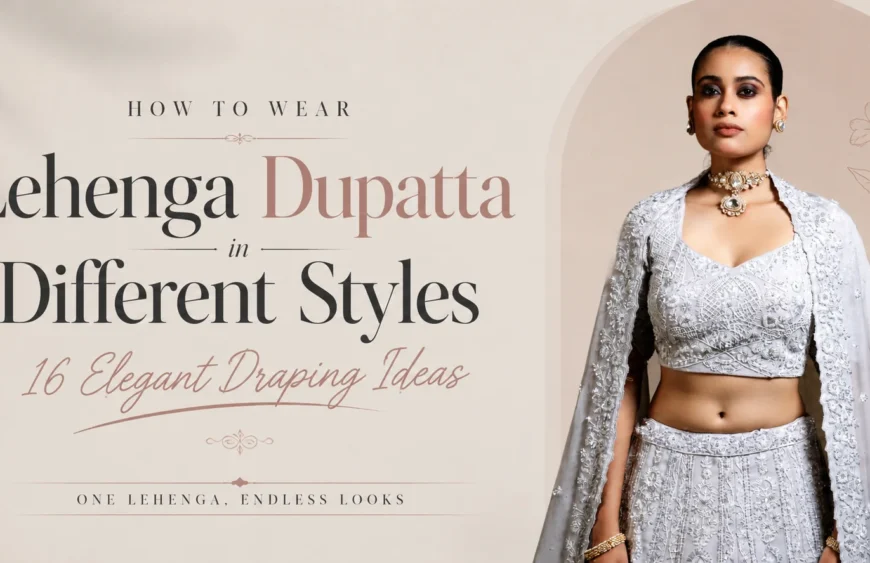
A lehenga can look completely different depending on how you drape the dupatta. One style can give you a classic bridal look, while another can make the same outfit feel modern, effortless, or even a little dramatic.
And honestly, there is no single right way to wear it.
From the timeless shoulder drape to the elegant saree-style drape, there are plenty of ways to style your dupatta with a lehenga. You can also experiment with belts, jewellery, double dupattas, or a simple wrist wrap to make the look your own.
So, if you are searching for the perfect lehenga dupatta drape for a wedding, festive celebration, Eid, or any special occasion, here are some beautiful styles worth trying.
What Is a Lehenga?
A lehenga is a traditional Indian outfit made up of three main pieces: a flared skirt, a blouse or choli, and a dupatta.
The skirt is usually the statement piece, while the blouse adds structure to the outfit. The dupatta completes the look and can be styled in several different ways.
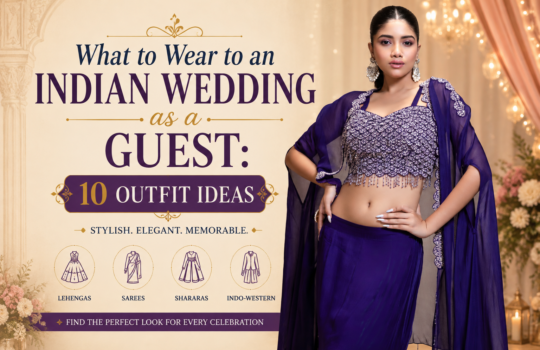
Depending on the fabric, embroidery, silhouette, and styling, a lehenga can be worn for weddings, receptions, festivals, engagement ceremonies, Eid celebrations, and other special occasions.
How to Wear a Lehenga – Step by Step
Before trying different dupatta styles, it helps to get the basic lehenga fit right.
Step 1: Wear the Lehenga Skirt
Start by wearing your lehenga skirt around your natural waist. Make sure the waistband sits comfortably and the length works well with your footwear.
Step 2: Adjust the Blouse
Put on your blouse or choli and check that it sits comfortably without restricting your movement.
Step 3: Choose Your Dupatta
Think about the fabric and embroidery before choosing a drape. A lightweight dupatta is easier to style, while heavier fabrics may need additional pins or support.
Step 4: Decide Your Drape
Choose a style based on the occasion and your comfort. A classic shoulder drape works well for almost any event, while a veil or double dupatta style is especially popular for bridal looks.
Step 5: Secure the Dupatta
Use small safety pins in hidden areas to keep the fabric in place. You can also use a belt or brooch when the style calls for extra support.
16 Different Ways to Wear a Dupatta on Lehenga
Here are some of the most popular ways to style your dupatta with a lehenga.
1. Classic Shoulder Drape
This is one of the easiest and most timeless styles.
Pleat your dupatta neatly and place it over one shoulder, allowing the other end to fall naturally. You can let the front section hang loose or tuck it slightly at the waist.
This Indian style lehenga dupatta drape is perfect when you want your outfit to look elegant without spending too much time styling it.
Best for: Weddings, festive events, family functions, and receptions.
2. One-Shoulder Drape
Want something simple but a little more stylish?
Try placing the dupatta over one shoulder and letting it fall freely along the side of your lehenga. This keeps the outfit easy to move in while giving the overall look a clean finish.
It works especially well with embroidered or embellished dupattas where you want the detailing to be visible.
Best for: Engagements, parties, and modern wedding looks.
3. Saree-Style Drape
If you love the elegance of a saree but want the comfort of a lehenga, this is a beautiful option.
Pleat the dupatta and tuck one end around the waist before bringing the remaining fabric over your shoulder. The result creates a saree-inspired silhouette while keeping your lehenga visible.
This dupattadrapelehengalehenga dupatta styling idea is a great choice for a more graceful and traditional appearance.
Best for: Wedding ceremonies and festive occasions.
4. Cape-Style Drape
For a contemporary look, try wearing your dupatta like a cape.
Instead of placing it over just one shoulder, drape it across both shoulders and let it fall naturally on either side. A lightweight organza or chiffon dupatta works particularly well for this style.
It is simple, comfortable, and gives your lehenga a modern edge.
Best for: Receptions, cocktail events, and modern celebrations.
5. Indian Style Drape
The indian-style drape usually focuses on creating a relaxed, graceful fall around the shoulders.
You can pleat the dupatta and place it over one shoulder, allowing the other side to fall freely across the front or back. This style works beautifully with flowy fabrics and heavily embroidered outfits.
Best for: Festive celebrations and elegant evening events.
6. Traditional Bridal Drape
For brides, the traditional drape remains a favourite for a reason.
The dupatta is usually pleated and placed over one shoulder, with the other side arranged neatly across the front. Depending on the bridal outfit, the dupatta may also be pinned carefully to create a structured silhouette.
This style lets the embroidery and jewellery take centre stage while keeping the overall look classic.
Best for: Bridal ceremonies and traditional weddings.
7. Dupatta Tied to the Wrist
This is a fun way to add movement to your outfit.
Drape the dupatta over one shoulder and gently bring the other end towards your wrist. You can secure it with a small pin or let it rest naturally around your hand.
It creates a graceful flow as you move and looks especially lovely in photographs.
Best for: Wedding guests and festive occasions.
8. Sabyasachi-Inspired Dupatta Drape
For a rich, traditional look, take inspiration from the structured drapes often seen in classic Indian bridal styling.
Pleat the dupatta neatly and keep the arrangement polished. A heavily embroidered dupatta with a contrasting lehenga can make this style especially striking.
The key here is not to overcomplicate things. Let the fabric, embroidery, and jewellery do the talking.
Best for: Bridal and luxury wedding looks.
9. Veil-Style Drape
The veil style is one of the most romantic options for brides.
Place the dupatta over your head and let it fall softly around your face and shoulders. You can secure it at the crown of your head with discreet pins.
For a more dramatic bridal appearance, choose a lightweight fabric with an embroidered border.
Best for: Bridal ceremonies and traditional wedding rituals.
10. Draped Over the Elbows
This style gives the outfit an effortless, graceful feel.
Simply place the dupatta over both shoulders or one shoulder and let the fabric rest around your elbows. Avoid making the pleats too tight so the material can fall naturally.
It is a great choice when you want your dupatta to feel relaxed rather than heavily structured.
Best for: Receptions, parties, and festive dinners.
11. High-Neck Drape
If you prefer a more polished look, try bringing the dupatta around your neck.
Drape the fabric from one shoulder, bring it gently around the neck, and let the remaining section fall over the opposite side.
This works beautifully with simple blouses and statement earrings because it creates a clean frame around the upper body.
Best for: Formal celebrations and evening events.
12. Double Dupatta Drape
A double dupatta is a popular choice for brides who want more dimension in their outfit.
One dupatta can be worn over the head as a veil, while the second is arranged over the shoulder or across the front.
When choosing two dupattas, consider their weight, colour, embroidery, and borders. They should complement each other rather than compete for attention.
Best for: Bridal lehengas and grand wedding ceremonies.
13. Draped Over One Shoulder and Elbow
This is a relaxed variation of the classic shoulder drape.
Pleat the dupatta over one shoulder and allow the remaining fabric to fall towards your elbow. You can secure the shoulder section with a pin while keeping the lower portion loose.
It gives you the best of both worlds: structure on the shoulder and movement around the arm.
Best for: Wedding guests and festive occasions.
14. Royal Drape
The royal drape is all about creating a grand silhouette.
Take a richly embroidered dupatta and arrange it neatly over one shoulder, allowing it to fall generously around the body. You can add a statement brooch or traditional jewellery to enhance the look.
This works particularly well with velvet, silk, brocade, and heavily embellished fabrics.
Best for: Grand weddings and formal celebrations.
15. Side-Pleated Drape
If you want your lehenga to remain the star of the outfit, this is a great option.
Create neat pleats and place the dupatta towards one side of the body. Keep the front relatively open so that the embroidery and silhouette of the lehenga remain visible.
It is simple, neat, and photographs beautifully.
Best for: Engagements, receptions, and wedding guests.
16. Belted Drape
A belt can instantly give a traditional lehenga a more contemporary feel.
Drape the dupatta over one shoulder or across both shoulders, then secure it at the waist with a slim belt. The belt keeps the fabric in place while also defining your waist.
You can choose a belt that matches your jewellery or pick a contrasting design for a fashion-forward look.
Best for: Receptions, parties, and modern festive looks.
How to Wear Lehenga Dupatta in Different Styles?
The easiest way is to first decide what kind of look you want.
For a traditional look, go for the classic shoulder, bridal, or veil drape.
For something modern, try a cape-style or belted drape.
For a graceful and elegant look, the saree-style or side-pleated drape works beautifully.
And if you want something comfortable and effortless, try the one-shoulder or elbow drape.
Your dupatta style should also work with your blouse neckline, lehenga silhouette, fabric, and jewellery. Sometimes, the simplest dupattadrape is the one that looks best.
Which Dupatta Draping Style Is Easiest for Beginners?
The classic shoulder drape is probably the easiest place to start.
Simply pleat the dupatta, place it over one shoulder, and secure it with a hidden pin. Once you are comfortable with this style, you can experiment with the belted, cape, or saree-style drape.
If you are wearing a heavy dupatta for the first time, avoid complicated drapes. A clean and secure arrangement will always look better than constantly adjusting the fabric throughout the event.
How Do You Secure Your Lehenga Dupatta So It Stays in Place?
A few small styling tricks can make a big difference.
- Use discreet safety pins at the shoulder.
- Pin the dupatta to the blouse instead of directly to your skin.
- Use a belt for front or waist drapes.
- Add a brooch where the fabric needs extra support.
- For bridal veils, use multiple hidden pins around the head and shoulders.
- Avoid placing too many pins in delicate fabrics.
The goal is to secure the dupatta without making the pins visible.
Is a Belt Necessary for the Front Drape Style?
Not at all.
A belt is optional and mainly helps keep the dupatta secure while giving the outfit a defined waistline.
If you prefer a softer and more traditional appearance, you can simply pin the dupatta at the shoulder and waist. If you want a cleaner, contemporary finish, a belt can be a great addition.
How Do You Wear a Lehenga Skirt?
Wearing a lehenga skirt is quite simple.
Start by stepping into the skirt and adjusting the waistband so it sits comfortably around your waist. Fasten the hooks, zip, or drawstring securely, depending on the design.
Pair it with your blouse or choli and finish the outfit with your chosen dupatta drape.
Your footwear should ideally go on before you finalise the lehenga length. This helps you get the right fall and prevents the hem from dragging on the floor.
What Are the Different Ways to Drape a Lehenga Dupatta?
Some of the most popular styles include:
- Classic shoulder drape
- One-shoulder drape
- Saree-style drape
- Cape-style drape
- Pakistani-style drape
- Traditional bridal drape
- Wrist-wrap drape
- Sabyasachi-inspired drape
- Veil-style drape
- Elbow drape
- High-neck drape
- Double dupatta drape
- One-shoulder and elbow drape
- Royal drape
- Side-pleated drape
- Belted drape
The right one depends on your outfit, occasion, personal style, and how much movement you want.
So, How Do You Pick a Second Dupatta?
If you are styling a double dupatta lehenga, start with the main dupatta.
Usually, one dupatta is more heavily embroidered and becomes the focal point. The second can be lighter and simpler, allowing the first one to stand out.
You can play with:
- Contrasting colours
- Matching tones
- Different textures
- Different fabrics
- One embroidered and one plain dupatta
For example, a richly embroidered lehenga can be paired with one statement dupatta and one lightweight organza or net dupatta.
The trick is balance. You want both dupattas to work together without making the outfit look too busy.
What Fabrics Are Commonly Used for Lehenga Dupattas?
Lehenga dupattas come in many fabrics, and each one creates a different look.
Organza
Light, crisp, and structured, organza is ideal when you want your dupatta to hold its shape.
Net
Net dupattas are lightweight and often used for bridal and embellished outfits.
Chiffon
Soft and flowy, chiffon creates a relaxed drape and moves beautifully.
Georgette
Georgette is easy to style and has a graceful fall, making it a popular choice for festive outfits.
Silk
Silk gives a richer, more traditional appearance and works especially well with classic bridal lehengas.
Velvet
Velvet is heavier and more luxurious, making it a strong choice for winter weddings and grand celebrations.
What Accessories Should I Pair With My Lehenga Dupatta?
Your accessories should complement your dupatta rather than compete with it.
For a bridal look, you can pair your lehenga with a maang tikka, earrings, necklace, bangles, and traditional bridal jewellery.
For a simpler wedding guest look, statement earrings and a bracelet may be enough.
If your dupatta has heavy embroidery or embellishment, keep the rest of your accessories balanced. If the outfit is minimal, you can use jewellery to add more drama.
A brooch can also be a beautiful way to secure your dupatta while adding a decorative detail.
How to Choose the Right Dupatta Drape for Your Occasion
For a Wedding Guest Look
Choose a one-shoulder, side-pleated, or elbow drape. These styles are easy to carry and let you move comfortably.
For a Bridal Look
A veil, double dupatta, or traditional bridal drape can create a more traditional silhouette.
For a Reception
Try a belted, cape-style, or high-neck drape for a more contemporary appearance.
For Eid
A lightweight dupatta with a simple shoulder or side drape can keep the outfit elegant while making it easy to move around.
Top 10 Trending Eid Outfit Ideas for 2026: What’s In and What’s Out?
Eid fashion in 2026 is leaning towards outfits that feel polished but still easy to wear.
What’s In
- Lightweight embroidered lehengas
- Soft pastel colour palettes
- Modern cape-style dupattas
- Statement sleeves
- Elegant organza dupattas
- Minimal jewellery with detailed outfits
- Tonal embroidery
- Comfortable silhouettes
- Belted styling
- Contemporary takes on traditional Indian wear
What’s Out
Overly complicated styling, excessive layering, and outfits that feel difficult to move in are slowly taking a back seat.
The focus is shifting towards pieces that feel special without looking overdone.
What Is the Difference Between a Lehenga and a Chaniya Choli?
A lehenga and chaniya choli are quite similar, but the terms are often used differently depending on the region and style.
A lehenga is generally associated with a flared skirt paired with a blouse and dupatta. A chaniya choli is traditionally linked to Gujarati and Rajasthani clothing, often featuring a colourful, heavily embellished or mirror-worked skirt and choli.
The main difference is often in the regional styling, embroidery, fabric, and cultural context rather than the basic outfit structure.
What’s There to Work on When You Have a Super-Rich Organza Dupatta?
When your dupatta is heavily embroidered or richly detailed, the best approach is to let it shine.
Keep the drape neat and avoid adding too many layers. A classic shoulder drape or a carefully arranged side drape can show off the border and embroidery beautifully.
If the organza is structured, you can also use its natural stiffness to create clean pleats and a more defined silhouette.
The key is simple: don’t hide the best part of the dupatta under too many folds.
Best Tips for the Perfect Lehenga Dupatta Drape
A beautiful drape does not have to be complicated.
1. Consider Your Height
Longer drapes can create an elegant vertical line, while shorter arrangements may feel lighter and easier to manage.
2. Think About the Blouse
Your blouse neckline and sleeve design can influence where you place the dupatta.
3. Match the Drape to the Fabric
Heavy fabrics need more structure and support. Lightweight fabrics can be styled more freely.
4. Don’t Ignore Comfort
If you are attending a long wedding, choose a style that stays secure and allows you to move comfortably.
5. Check the Back
Before leaving, take a quick look at the back of your outfit. A beautiful front drape can still look unfinished if the fabric is messy behind you.
6. Pin Strategically
A few well-placed pins are better than too many visible ones.
Factors to Consider Before Draping Your Dupatta
Before settling on a style, think about:
- The occasion
- The weight of your dupatta
- Your lehenga’s embroidery
- Your blouse neckline
- Your height and body proportions
- The amount of movement you need
- Your jewellery
- The weather
- Whether you will be wearing the outfit for several hours
A good dupatta drape should look beautiful but also feel comfortable.
How Many Metres of Saree Are Needed for Plus-Size Women?
Although this question is usually asked about sarees rather than lehengas, the answer depends on the saree style, body measurements, and desired coverage.
For many plus-size women, a standard 5.5 to 6-metre saree can work well, but a longer 6 to 7-metre saree may offer more flexibility for extra pleats or additional coverage.
The best choice depends on your height, waist and hip measurements, and how you prefer to drape the saree.
For a lehenga, the calculation is different because the skirt and dupatta are separate pieces. In that case, focus more on getting the correct skirt measurements and choosing a dupatta with enough length for your preferred drape.
Searching for the Perfect Way to Drape a Dupatta With a Lehenga?
Start by asking yourself one simple question: How do you want to feel in your outfit?
If you want to feel classic and elegant, choose a traditional shoulder drape.
If you want something modern, go for a belt or cape.
If you want a bridal look, try a veil or double dupatta.
And if you want something easy, the classic one-shoulder drape is always a safe choice.
Your lehenga does not need an elaborate drape to look beautiful. Sometimes, the right placement of the fabric is all it takes to completely change the outfit.
FAQs About Lehenga Dupatta Styles
How to Wear Lehenga Dupatta in Different Styles?
You can style a lehenga dupatta in several ways, including the classic shoulder drape, saree-style drape, cape style, veil style, double dupatta, belted drape, and wrist-wrap style.
Choose your drape according to your outfit, occasion, comfort, and personal style.
Which Dupatta Draping Style Is Best for Brides?
The veil style, traditional bridal drape, and double dupatta drape are popular choices for brides. They create a graceful and traditional appearance while allowing you to showcase bridal embroidery and jewellery.
Can I Wear a Belt With My Lehenga Dupatta?
Yes. A belt can secure your dupatta and create a defined waistline. It is particularly useful for contemporary drapes and reception looks.
How Do I Keep My Dupatta From Slipping?
Use discreet safety pins at the shoulder and waist. For heavier dupattas, add extra support or use a belt. If you are wearing a veil, secure it carefully around the head and shoulders.
Can I Wear Two Dupattas With a Lehenga?
Yes. A double dupatta look is especially popular for bridal lehengas. One dupatta can be worn over the head, while the second can be styled over the shoulder or around the body.
Which Dupatta Drape Is Best for Beginners?
The classic shoulder drape is the easiest to start with. It is simple, secure, and works with almost every type of lehenga.
What Fabric Is Best for a Lehenga Dupatta?
It depends on the look you want. Organza creates a structured finish, chiffon and georgette offer a softer fall, net is lightweight, and silk or velvet gives a richer appearance.
What Accessories Go Best With a Lehenga Dupatta?
Depending on the occasion, you can style your lehenga with earrings, necklaces, bangles, maang tikkas, brooches, and waist belts. Try to balance your jewellery with the embroidery on your outfit.
What Is a Lehenga Dupatta Drape?
A lehenga dupatta drape is simply the way you arrange and wear the dupatta with your lehenga. Different drapes can change the overall appearance of the same outfit, from traditional and bridal to modern and minimal.
Where Can I Find Stylish Lehengas Online?
Look for brands that offer detailed product information, clear size guides, fabric details, and high-quality images. This makes it easier to understand the outfit before purchasing and choose a lehenga that suits your occasion and personal style.
Final Thoughts
The beauty of a lehenga is that you can style it in more ways than one.
The same outfit can look traditional with a classic shoulder drape, romantic with a veil, contemporary with a belt, or effortlessly elegant with a simple one-shoulder style.
So, the next time you wear a lehenga, don’t be afraid to experiment.
Try a new lehenga dupatta drape, play with the pleats, change the placement, or add a statement brooch. After all, the best Indian style lehenga dupatta drape is the one that makes you feel comfortable, confident, and completely yourself.
.